fbpx
Obstetrics & Gynecology in Augusta, GA
gynecology and obstetrics

The Difference Between Gynecology and Obstetrics (and Why You May Need Both)

When it comes to women’s healthcare, the terms gynecology and obstetrics are often used together, but they are not the same. Understanding the difference can help you make informed decisions about your care and ensure you’re seeing the right provider at the right time. In many cases, women benefit from both specialties throughout different stages of life.

What Is Gynecology?

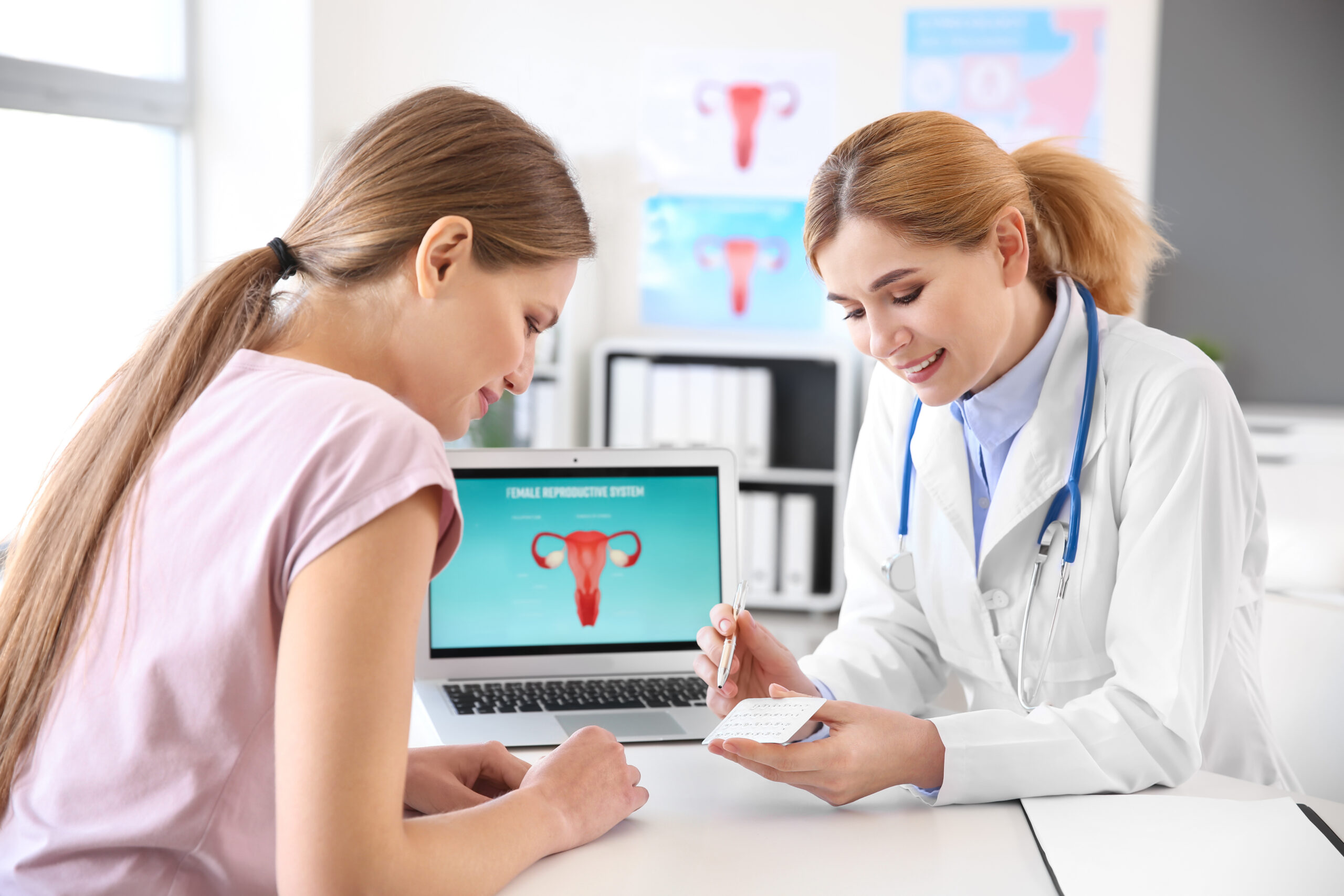
Gynecology focuses on a woman’s reproductive health from adolescence through menopause and beyond. A gynecologist provides routine and preventive care, diagnoses conditions, and treats issues related to the female reproductive system.

Common gynecological services include:

  • Annual well-woman exams
  • Pap smears and cervical cancer screenings
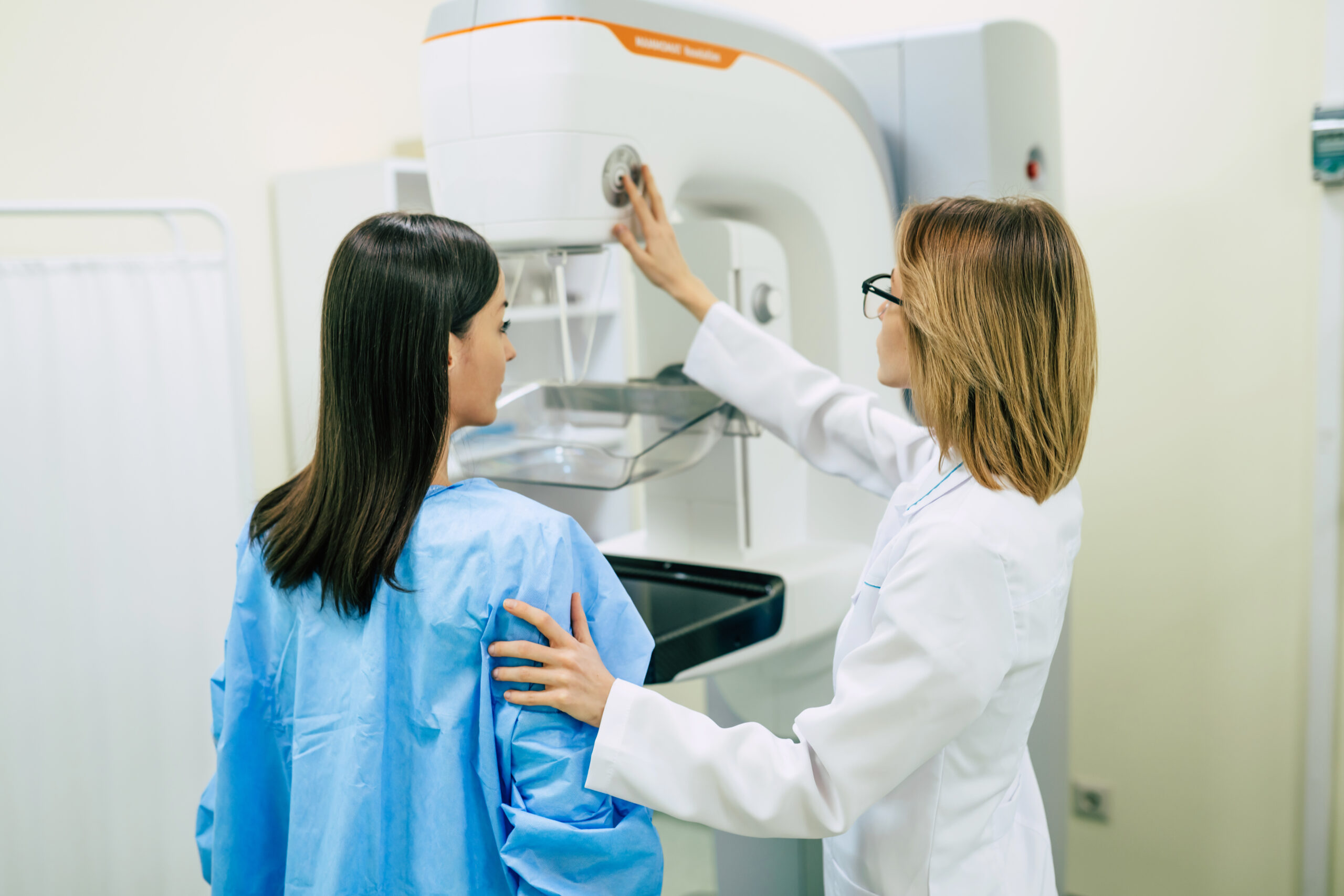
  • Breast exams
  • Birth control counseling and family planning
  • Treatment for menstrual disorders, pelvic pain, and infections
  • Menopause management
  • Diagnosis and treatment of conditions such as endometriosis, fibroids, and PCOS

Even women who are not planning to become pregnant should see a gynecologist regularly to maintain long-term reproductive and overall health.

What Is Obstetrics?

Obstetrics is the branch of medicine dedicated specifically to pregnancy, childbirth, and postpartum care. An obstetrician monitors both maternal and fetal health throughout pregnancy and manages labor and delivery.

Obstetric care typically includes:

  • Preconception counseling
  • Prenatal care and ultrasounds
  • Monitoring fetal growth and development
  • Managing pregnancy-related conditions such as gestational diabetes or high blood pressure
  • Labor and delivery care
  • Postpartum checkups and recovery support

If you are pregnant or planning to become pregnant, an obstetrician plays a crucial role in ensuring a healthy pregnancy and delivery.

What Is an OB-GYN?

Many women receive care from an OB-GYN, a physician trained in both gynecology and obstetrics. This dual expertise allows one provider to care for you through routine gynecological needs as well as pregnancy and childbirth.

An OB-GYN can:

  • Provide continuity of care before, during, and after pregnancy
  • Address changing healthcare needs across different life stages
  • Build long-term relationships with patients, offering personalized care

This combination is especially valuable for women who want a trusted provider throughout their reproductive years.

Why You May Need Both Gynecology and Obstetrics

Your healthcare needs evolve over time. You may see a gynecologist for years before ever needing obstetric care. Later, if you become pregnant, obstetrics becomes essential. After delivery, gynecological care continues to support recovery, contraception planning, and long-term health.

Having access to both services ensures:

  • Comprehensive reproductive care at every stage of life
  • Early detection and treatment of health concerns
  • Seamless transitions between routine care and pregnancy-related care

Comprehensive Women’s Care in Augusta

At Women’s Health of Augusta, our experienced providers offer both gynecological and obstetric services, delivering compassionate, patient-centered care tailored to your individual needs. Whether you’re scheduling a routine exam, planning a pregnancy, or navigating motherhood, our team is here to support you every step of the way.

Schedule an appointment today to take an active role in your reproductive health and experience comprehensive care designed for every phase of life.

postpartum checkup

Postpartum Checkups: Why They’re Just as Important as Prenatal Care

When you’re expecting, prenatal visits naturally become a major part of your routine. Regular checkups help monitor your baby’s growth, track your health, and ensure a smooth pregnancy. But while prenatal care rightfully receives a lot of attention, there’s another phase that deserves just as much focus—postpartum care.

After childbirth, many women shift their attention entirely to their newborns, putting their own needs on the backburner. However, the weeks and months following delivery are a critical time for healing, emotional adjustment, and overall health. At Women’s Health of Augusta, we emphasize that comprehensive postpartum care is essential for long-term wellness.

Here’s why postpartum checkups are just as important as prenatal visits and why every new mother should make them a priority.

  1. Postpartum Recovery Needs Attention and Support

Your body undergoes remarkable changes during pregnancy and childbirth. No matter your delivery experience, vaginal birth, C-section, or assisted delivery, your body needs time to heal.

Postpartum checkups allow your provider to monitor:

  • Healing of incisions, tears, or episiotomies
  • Uterine recovery
  • Bleeding and postpartum discharge
  • Pelvic floor health
  • Any discomfort or complications

Many issues can be easily managed when identified early. Without a follow-up appointment, however, these concerns can linger or worsen.

  1. Mental Health Matters More Than Ever

Postpartum emotions range from joy and excitement to exhaustion, anxiety, and sadness. While “baby blues” are common, more serious conditions such as postpartum depression or anxiety require medical attention.

During a postpartum visit, your provider will:

  • Check in on your emotional well-being
  • Screen for postpartum depression
  • Discuss stress, sleep, and support systems
  • Offer resources and treatment options

Seeking help early can make a tremendous difference for your health and your ability to care for your baby.

  1. Hormonal Changes Can Affect Your Health

The postpartum period is marked by major hormonal shifts. These changes can impact everything from your mood to your metabolism.

Postpartum checkups help monitor conditions influenced by hormones, including:

  • Thyroid issues
  • Irregular bleeding
  • Breastfeeding challenges
  • Hot flashes or night sweats
  • Hormonal acne or hair changes

Your provider can help you understand what’s normal and what may need intervention.

  1. Breastfeeding Support Can Prevent Frustration and Discomfort

Whether you plan to breastfeed, formula-feed, or combine both, postpartum visits provide essential support. Lactation challenges—such as latching problems, low supply, or pain—are common and completely normal.

Your care team can:

  • Assess breastfeeding comfort and technique
  • Recommend strategies or referrals
  • Help treat clogged ducts or mastitis
  • Ensure both you and your baby are thriving

Early advice can prevent ongoing issues and help you feel more confident in your feeding journey.

  1. Family Planning Is an Important Part of the Visit

Fertility can return sooner than you might expect after childbirth even if you’re breastfeeding. That’s why postpartum checkups include a conversation about birth control and reproductive planning.

Your provider can help you:

  • Choose a contraceptive that fits your needs
  • Understand when it’s safe to resume sexual activity
  • Plan for future pregnancies
  • Discuss spacing between children for optimal health

These conversations are essential for your physical and reproductive well-being.

  1. Preventing Long-Term Health Issues

Some postpartum complications develop quietly and may not appear immediately after birth. Conditions like high blood pressure, infection, or anemia can persist without proper follow-up care.

Postpartum checkups help identify and treat:

  • Postpartum preeclampsia
  • Persistent bleeding
  • Infection at surgical or tear sites
  • Pelvic floor disorders
  • Urinary incontinence

Early detection can prevent months—or even years—of discomfort.

Prioritizing Your Health Is One of the Best Gifts You Can Give Your Baby

You’ve spent months taking care of your body during pregnancy. That same level of attention is just as important after childbirth. Postpartum checkups are an essential opportunity to safeguard your physical and emotional health.

At Women’s Health of Augusta, our providers are here to support you through every stage of motherhood—from prenatal visits to postpartum healing and beyond. If you’re due for your postpartum appointment or have concerns after delivery, we’re here to help.

Your well-being matters—schedule your postpartum visit today.

obgyn

Top Questions to Ask at Your Next OB/GYN Appointment

Regular visits to your OB/GYN are an essential part of maintaining your reproductive and overall health. Whether you are going for your annual wellness exam, planning for pregnancy, or experiencing new symptoms, preparing questions in advance can help you get the most value from your appointment. Many patients leave their visits realizing they forgot to ask something important. Taking the time to think through your concerns beforehand ensures that you receive personalized guidance tailored to your needs.

At Women’s Health of Augusta, we encourage patients to be proactive about their health. These are some of the top questions to consider asking during your next OB/GYN appointment.

  1. What Screenings or Tests Do I Need Right Now?

Screening needs vary by age, medical history, and personal risk factors. During your visit, ask about:

Your provider can explain which tests are recommended for your current stage of life and how often you should have them.

  1. Are My Menstrual Symptoms Normal?

Many individuals assume that painful or irregular periods are simply something to “deal with,” but significant discomfort or unpredictable cycles can signal underlying conditions such as endometriosis, polycystic ovary syndrome (PCOS), fibroids, or thyroid issues. If you experience heavy bleeding, severe cramping, bleeding between periods, or sudden changes, bring this up during your appointment. Your OB/GYN can determine whether further evaluation or treatment is needed.

  1. What Birth Control Options Are Best for Me?

Birth control is not one-size-fits-all. Factors such as age, health, lifestyle, and future family planning goals all play a role in choosing the right option. Ask about:

  • Hormonal pills, patches, rings, or injections
  • Long-acting reversible contraception (IUDs, implants)
  • Non-hormonal methods
  • Permanent contraception

Your OB/GYN can help compare effectiveness, benefits, and possible side effects to ensure you feel confident in your decision.

  1. How Can I Manage Symptoms of Menopause or Perimenopause?

Changes such as hot flashes, mood swings, sleep disturbances, and irregular periods are common but manageable. If you are nearing or experiencing menopause, it is helpful to ask:

  • What are my treatment options for symptom relief?
  • Is hormone replacement therapy right for me?
  • How do these changes affect my long-term health?

Discussing these symptoms early can help improve comfort and overall well-being.

  1. I’m Thinking About Getting Pregnant — What Should I Do to Prepare?

Preconception counseling is an invaluable step for those planning pregnancy. Your provider can discuss:

  • Prenatal vitamins and nutrition
  • Timing and fertility awareness
  • Managing chronic conditions
  • Medication safety
  • Lifestyle and exercise recommendations

If you have been trying to conceive without success, ask about fertility assessments and next steps.

  1. What Should I Know About My Breast Health?

Breast exams and mammograms are key in early detection of breast cancer. Ask your OB/GYN:

  • How to perform breast self-exams correctly
  • When to begin regular mammograms
  • What changes to watch for and report

If you notice dimpling, lumps, nipple discharge, or changes in breast shape or skin texture, address these promptly.

  1. Are My Sexual Health and Symptoms Normal?

Discomfort during intercourse, low libido, or vaginal dryness can be difficult to discuss but are more common than many people realize. Your OB/GYN can offer treatments, lifestyle recommendations, or referrals to additional supportive care if needed. Sexual health is an important part of overall health and should never be ignored.

Prioritize Your Health with Supportive Care

Asking questions during your OB/GYN appointment builds a strong foundation of trust and understanding between you and your provider. At Women’s Health of Augusta, our team is committed to listening, educating, and offering comprehensive care tailored to your needs at every stage of life.

If you are due for your annual visit or have concerns you’d like to discuss, schedule an appointment today. Your health and peace of mind are worth the conversation.

gynecologist

Top Reasons to See Your Gynecologist (Even When You Feel Fine)

Many women think of visiting their gynecologist only when something feels “off” — maybe for irregular periods, pelvic pain, or other noticeable changes. But just like seeing your dentist or primary care doctor for routine checkups, regular gynecology visits are essential for long-term health. Even if you feel perfectly fine, your annual exam can help detect issues early, prevent disease, and keep your reproductive system healthy at every stage of life.

At Women’s Health of Augusta, we encourage all women to make their annual visits a priority. Here are some of the top reasons why.

  1. Early Detection of Health Concerns

Many gynecologic conditions, including cervical cancer, ovarian cysts, and sexually transmitted infections (STIs), may not cause obvious symptoms in their early stages. During your exam, your gynecologist can:

  • Perform a Pap smear or HPV test to detect early signs of cervical cancer
  • Check for breast or pelvic abnormalities
  • Discuss your menstrual cycle and look for hormonal imbalances

Catching potential issues early often means easier, more effective treatment — and peace of mind.

  1. Preventive Screenings and Vaccinations

Your gynecologist helps you stay up to date on preventive care. Depending on your age, lifestyle, and health history, your provider may recommend:

  • Mammograms to screen for breast cancer
  • Bone density testing for osteoporosis
  • HPV and other vaccinations to protect against certain infections
  • STD/STI screenings for sexually active patients

These screenings are an important part of staying healthy even when you feel well.

  1. Birth Control and Family Planning

Even if you’re not currently trying to get pregnant, it’s important to talk about your reproductive goals and options. Your gynecologist can:

  • Help you choose the most effective birth control method for your body and lifestyle
  • Provide guidance on fertility planning and preconception health
  • Discuss safe and effective options for menstrual cycle management

These conversations ensure you have control and confidence in your reproductive health decisions.

  1. Menopause and Hormonal Health

Perimenopause and menopause bring many changes — some subtle, others more noticeable. Even if you feel fine, your gynecologist can help you understand what’s happening in your body and recommend ways to manage:

  • Hot flashes, night sweats, or mood swings
  • Sleep disturbances or vaginal dryness
  • Bone health and heart health as estrogen levels change

Having a trusted provider during this transition can make a world of difference in your comfort and quality of life.

  1. A Chance to Ask Questions and Get Personalized Care

Your annual visit is also a time to have an open, judgment-free conversation about your body and health. You can ask questions about:

  • Sexual health and libido
  • Changes in your menstrual cycle
  • Pelvic pain or discomfort
  • Nutrition, exercise, or lifestyle habits

Your gynecologist is there not just to diagnose problems, but to support your wellness journey — body, mind, and spirit.

Take Charge of Your Health with Regular Visits

Even if you’re feeling your best, regular gynecologic care is one of the most important ways to protect your long-term health. By staying proactive, you’re investing in early detection, preventive care, and a stronger understanding of your own body.

At Women’s Health of Augusta, our compassionate team provides comprehensive care for women at every age and stage. From adolescence through menopause and beyond, we’re here to help you stay healthy, informed, and confident.

Schedule your annual exam today and take the next step toward lifelong wellness. Contact Women’s Health of Augusta to make your appointment.

healthy lifestyle habits

Healthy Lifestyle Habits for Women at Every Age

Living a healthy, balanced life looks different at 20 than it does at 60, but the goal remains the same: supporting your body, mind, and overall well-being. At Women’s Health of Augusta, we believe every stage of life brings new opportunities to prioritize health. By adopting habits that align with your age and needs, you can help ensure strength, vitality, and wellness throughout your life.

In Your 20s: Building a Strong Foundation

Your 20s are a time to set the tone for lifelong health.

  • Regular Exercise: Aim for at least 150 minutes of moderate aerobic activity per week. Weight-bearing exercises can also support bone health early on.
  • Balanced Nutrition: Focus on whole foods rich in protein, calcium, iron, and fiber.
  • Preventive Care: Schedule annual checkups, Pap smears, and STI screenings as recommended.
  • Mental Wellness: Stress management through mindfulness, yoga, or journaling can help maintain emotional balance.

In Your 30s: Balancing Family, Career, and Self

With busy schedules, health can slip down the priority list—but this is when balance is most important.

  • Prioritize Sleep: Quality rest is essential for hormone regulation, mental clarity, and energy.
  • Heart Health: Keep an eye on blood pressure, cholesterol, and weight.
  • Reproductive Health: Whether you’re planning a family or not, continue routine gynecological care and discuss fertility questions with your provider.
  • Strength Training: Build muscle mass to support metabolism and protect bones.

In Your 40s: Preparing for Change

As women approach perimenopause, health needs may shift.

  • Hormone Awareness: Talk to your doctor about early signs of perimenopause and symptom management.
  • Breast Health: Mammograms often begin in your 40s; follow your provider’s recommendations.
  • Stress Management: Juggling family, work, and aging parents can be challenging. Prioritize self-care and healthy outlets for stress.
  • Nutrition: A diet rich in calcium, vitamin D, and lean protein supports bone and heart health.

In Your 50s and Beyond: Thriving in Midlife and Later

Postmenopausal women face new health considerations, but with mindful care, this stage can be one of strength and vitality.

  • Bone and Joint Health: Continue weight-bearing exercises and maintain calcium/vitamin D intake to reduce osteoporosis risk.
  • Heart Health Focus: Women over 50 are at greater risk for heart disease. Stay on top of screenings and maintain an active lifestyle.
  • Cancer Screenings: Colonoscopies, mammograms, and other age-appropriate screenings are vital.
  • Stay Active and Connected: Physical activity combined with social engagement supports both mental and physical well-being.

A Lifelong Commitment to Health

No matter your age, healthy living is about consistency and balance. Eating nourishing foods, staying active, managing stress, and keeping up with regular medical care can help you feel your best at every stage of life.

At Women’s Health of Augusta, we’re here to guide you with personalized care through every decade. Whether you’re focusing on prevention, managing changes, or navigating new health challenges, our team is dedicated to supporting women in living healthy, empowered lives.

annual exams

Why Annual Exams Are a Vital Part of Women’s Health

Taking care of your health is more than treating illness when it appears. It’s about prevention, early detection, and long-term wellness. One of the best ways women can prioritize their health is through annual exams. These checkups are more than routine appointments; they are vital opportunities to catch potential issues early, monitor ongoing concerns, and empower you with knowledge about your body.

Early Detection Saves Lives

Annual exams give your physician the chance to identify health problems in their earliest stages. Conditions such as cervical cancer, breast cancer, and heart disease often have few warning signs in the beginning. Regular screenings, like Pap smears, mammograms, and blood pressure checks, help detect issues before they become serious, improving treatment outcomes significantly.

Tracking Your Health Over Time

Each visit creates a record of your health history, allowing your doctor to notice changes that may otherwise go unnoticed. Tracking your blood pressure, cholesterol, weight, and other vital signs annually provides a clearer picture of your overall health trends. This helps both you and your provider make more informed decisions about your care.

Reproductive and Sexual Health

For women of all ages, annual exams are essential to reproductive health. Whether you’re seeking guidance on family planning, experiencing changes in your menstrual cycle, or managing menopause symptoms, these visits ensure you receive the support you need. Regular gynecological exams also allow for discussion about birth control, fertility, and safe sexual practices.

A Chance to Ask Questions

An annual exam is not just about tests and screenings. It’s also a time to talk openly with your doctor. Whether you’re concerned about irregular cycles, breast health, bone density, or overall wellness, this is your opportunity to ask questions and get reliable answers tailored to your needs.

Building a Strong Relationship With Your Provider

Seeing your provider annually helps establish a strong, trusting relationship. The more your doctor understands your medical history, lifestyle, and personal goals, the better they can tailor care to you. This partnership encourages proactive health management, which is essential for long-term well-being.

Preventive Care for Every Stage of Life

Women’s health needs evolve with each stage of life, and annual exams ensure those needs are met. From adolescence to pregnancy, through menopause and beyond, regular visits provide age-appropriate screenings, vaccinations, and health counseling. No matter where you are in life’s journey, these checkups remain vital.

Prioritize Your Health With Women’s Health of Augusta

At Women’s Health of Augusta, our team is committed to providing compassionate, comprehensive care for women at every stage of life. Annual exams are one of the simplest yet most powerful steps you can take toward protecting your health.

Schedule your annual exam today and take a proactive step toward a healthier future.

menopause

How Menopause Affects Your Bone and Heart Health

Menopause is a natural and inevitable stage in every woman’s life. While it marks the end of your reproductive years, it also signals a number of changes that can significantly impact your overall health—especially your bones and heart. These effects may not be immediately visible, but they can have long-term implications if not addressed proactively.

At Women’s Health of Augusta, we believe in empowering women with the information and tools they need to maintain wellness at every stage of life. Let’s explore how menopause affects bone and heart health, and what you can do to stay strong and healthy.

Estrogen: The Hormone That Does More Than You Think

During menopause, your body undergoes a significant drop in estrogen levels. While estrogen is most commonly associated with the reproductive system, it also plays a crucial role in maintaining both bone density and cardiovascular function.

When estrogen levels decline, the protective effects it provides to bones and the heart begin to wane, which leads to increased risks of osteoporosis and heart disease.

Menopause and Bone Health: Understanding Osteoporosis Risk

Bone is living tissue that is constantly being broken down and rebuilt. Estrogen helps regulate this process by slowing the rate at which bone is broken down. As estrogen levels fall during menopause, bone loss can accelerate, increasing the risk of developing osteoporosis, a condition in which bones become brittle and more prone to fractures.

Key facts about menopause and bone health:

  • Women can lose up to 20% of their bone density in the five to seven years after menopause.
  • Hip, spine, and wrist fractures are the most common injuries related to osteoporosis.
  • Osteoporosis often develops silently, with no symptoms until a fracture occurs.

What you can do:

  • Bone Density Testing: If you’re postmenopausal, your provider may recommend a DEXA scan to assess bone strength.
  • Calcium & Vitamin D: Make sure you’re getting adequate amounts through diet or supplements.
  • Weight-Bearing Exercise: Activities like walking, dancing, and strength training help keep bones strong.
  • Lifestyle Choices: Avoid smoking and excessive alcohol intake, both of which can weaken bones.

Menopause and Heart Health: A Hidden Risk

Heart disease is the leading cause of death for women in the United States, and the risk increases after menopause. Estrogen helps keep blood vessels flexible and promotes healthy cholesterol levels. Without it, women may experience:

  • Increased LDL (“bad”) cholesterol
  • Decreased HDL (“good”) cholesterol
  • Higher blood pressure
  • Increased inflammation in blood vessels

These changes contribute to a greater risk of atherosclerosis (hardening of the arteries), heart attacks, and strokes.

What you can do:

  • Know Your Numbers: Monitor blood pressure, cholesterol, and blood sugar regularly.
  • Eat a Heart-Healthy Diet: Focus on fruits, vegetables, whole grains, lean proteins, and healthy fats.
  • Stay Active: Aim for at least 150 minutes of moderate exercise each week.
  • Manage Stress: Chronic stress can negatively impact heart health. Practices like yoga, meditation, or talking with a counselor can help.

How Women’s Health of Augusta Can Help

Your health journey during and after menopause deserves expert guidance. At Women’s Health of Augusta, we provide comprehensive care tailored to each stage of a woman’s life. Whether you’re experiencing symptoms of menopause or seeking ways to safeguard your bone and heart health, our team is here to support you.

We offer:

  • Personalized menopause management
  • Referrals for bone density testing and cardiology evaluations
  • Guidance on hormone therapy and lifestyle modifications
  • Compassionate care focused on long-term wellness

The Takeaway

Menopause may bring changes, but it doesn’t mean giving up your vitality or quality of life. With the right information and proactive care, you can take control of your health and reduce your risk for osteoporosis and heart disease.

Listen to your body, stay informed, and don’t hesitate to reach out for support. The team at Women’s Health of Augusta is here to walk this journey with you, empowering you to live confidently and healthfully through every phase of womanhood.

Schedule a Visit Today
If you’re experiencing menopause symptoms or want to learn more about protecting your bone and heart health, contact us to schedule an appointment. Your long-term health starts with a single conversation.

pap smears

Why Regular Pap Smears Are Essential for Women’s Health

In the landscape of women’s healthcare, few screenings are as important—or as potentially life-saving—as the Pap smear. This simple test, which takes only a few minutes to perform, can detect changes in cervical cells before they develop into cancer. Yet, many women either delay or avoid this vital screening due to discomfort, fear, or a lack of understanding about its importance.

At Women’s Health of Augusta, we believe in empowering women through education, early detection, and personalized care. Understanding the value of regular Pap smears is a key part of staying proactive and informed about your health. In this post, we’ll explain what a Pap smear is, why it’s essential, how often you should get one, and what to expect during the process.

What Is a Pap Smear?

A Pap smear, also known as a Pap test, is a procedure used to detect abnormal cells in the cervix—the lower part of the uterus that opens into the vagina. Named after Dr. George Papanicolaou, who developed the test in the 1940s, it’s become one of the most effective tools in preventing cervical cancer.

During the test, a healthcare provider collects a small sample of cells from your cervix using a soft brush or spatula. These cells are then examined under a microscope to identify any abnormalities, including precancerous changes or infections such as the human papillomavirus (HPV).

Why Pap Smears Matter

Cervical cancer is one of the most preventable forms of cancer, largely because of the Pap smear. When detected early, cervical cancer is highly treatable—and in many cases, it can be stopped before it ever begins.

Here are several reasons why regular Pap smears are so essential:

  1. Early Detection Saves Lives

Most cervical cancers begin with precancerous changes that develop slowly over time. A Pap smear can detect these changes long before they become cancerous, giving you and your healthcare provider time to monitor or treat the issue early.

  1. HPV and Cervical Cancer

HPV is the most common sexually transmitted infection and the leading cause of cervical cancer. Many HPV infections go away on their own, but persistent infection with high-risk strains can lead to abnormal cell growth. A Pap smear can pick up on these changes—even if you have no symptoms—so they can be addressed promptly.

  1. Peace of Mind

Health anxiety is real, and uncertainty can be stressful. Knowing that you’ve taken steps to screen for one of the leading causes of gynecologic cancer can provide reassurance and peace of mind.

  1. Part of a Broader Preventive Care Routine

Pap smears often occur during routine pelvic exams, which may also include breast exams, STI testing, and discussions about menstrual health, contraception, or menopause. These visits are an opportunity to talk openly with your provider about your overall reproductive health.

How Often Should You Get a Pap Smear?

Pap smear guidelines have evolved over the years, but the general recommendations from the American College of Obstetricians and Gynecologists (ACOG) are as follows:

  • Age 21-29: Women should have a Pap smear every 3 years.
  • Age 30-65: Women should have a Pap smear combined with an HPV test every 5 years (co-testing), or a Pap smear alone every 3 years.
  • Over 65: Women who have had regular screenings with normal results may not need to continue testing, but this should be confirmed with your provider.

However, these are general guidelines, and your provider may recommend more frequent testing if you have certain risk factors, such as:

  • A history of abnormal Pap results
  • A weakened immune system
  • Exposure to diethylstilbestrol (DES) before birth
  • HIV infection

At Women’s Health of Augusta, we tailor screening recommendations based on your individual health history, lifestyle, and risk factors.

What to Expect During a Pap Smear

If you’re feeling nervous about your Pap smear, you’re not alone. Many women have questions or concerns about the process. Here’s what to expect:

  1. The Appointment: You’ll lie on an exam table with your feet in stirrups. Your provider will gently insert a speculum into the vagina to widen it and provide a clear view of the cervix.
  2. Sample Collection: A small brush or spatula will be used to collect a sample of cells from the cervix. This may feel like a light scraping or mild pressure but should not be painful.
  3. After the Test: The sample is sent to a lab for analysis. Results typically take a few days to a week. Your provider will contact you if any follow-up is needed.

Try to avoid scheduling your Pap smear during your period, as menstrual blood can affect the accuracy of the test. Additionally, avoid douching, using vaginal creams, or having sexual intercourse 24–48 hours before your exam.

Common Myths and Misconceptions

Let’s bust a few myths that may prevent women from getting regular Pap smears:

  • Myth: “I feel fine, so I don’t need a Pap smear.”
    Cervical cell changes often have no symptoms. Feeling healthy doesn’t mean you’re risk-free.
  • Myth: “Only sexually active women need Pap smears.”
    HPV can be transmitted in many ways. Even women who are not currently sexually active may still need regular screenings, depending on age and history.
  • Myth: “A Pap smear checks for all gynecological cancers.”
    Pap smears specifically screen for cervical cancer. They do not detect ovarian, uterine, or other types of cancer.

Taking Charge of Your Health

Scheduling regular Pap smears is a simple step with powerful benefits. It’s an investment in your future health and a key part of preventive care that no woman should skip. At Women’s Health of Augusta, we’re here to make your experience as comfortable, informed, and supportive as possible.

Whether you’re due for your next screening, have questions about your results, or are visiting for the first time, our team is ready to guide you with compassion and expertise. Remember, you’re not just checking a box—you’re taking charge of your health.

Ready to Schedule Your Pap Smear?

If it’s time for your screening or you’re unsure when your last test was, contact Women’s Health of Augusta today. Regular Pap smears can make all the difference—and we’re here to help you stay healthy, confident, and informed every step of the way.

common pregnancy discomforts

Common Pregnancy Discomforts and How to Alleviate Them

Pregnancy is a time of excitement and transformation, but it also brings its fair share of physical and emotional challenges. As your body adapts to support the growth of your baby, you may experience a range of discomforts—some expected, others surprising. At Women’s Health of Augusta, we’re committed to supporting you throughout every stage of pregnancy, including helping you manage these common aches and pains with care and compassion.

Here’s a guide to some of the most common pregnancy discomforts—and practical ways to find relief.

  1. Morning Sickness

What it is:
Nausea and vomiting, especially during the first trimester, are often referred to as “morning sickness”—though they can occur at any time of day. Hormonal changes, particularly increased levels of hCG (human chorionic gonadotropin), are thought to be the main cause.

How to alleviate it:

  • Eat small, frequent meals to keep your stomach from becoming empty.
  • Keep crackers or dry toast by your bed to nibble on before getting up.
  • Stay hydrated by sipping water or ginger tea throughout the day.
  • Avoid strong smells and heavy, greasy foods.
  • Ask your provider about vitamin B6 supplements or anti-nausea medications if symptoms are severe.
  1. Fatigue

What it is:
During the first and third trimesters, many women feel unusually tired due to hormonal shifts, increased blood production, and the physical demands of pregnancy.

How to alleviate it:

  • Prioritize rest—take naps when needed and aim for 7–9 hours of sleep at night.
  • Eat a balanced diet with plenty of iron-rich foods to prevent anemia.
  • Light exercise, like walking or prenatal yoga, can boost energy levels.
  • Stay hydrated and limit caffeine to recommended amounts.
  1. Back Pain

What it is:
As your baby grows, your center of gravity shifts, and pregnancy hormones loosen your joints and ligaments. These changes often result in lower back pain.

How to alleviate it:

  • Maintain good posture and avoid standing for long periods.
  • Wear supportive shoes—skip the heels!
  • Use a pregnancy pillow for support while sleeping.
  • Apply heat packs or take warm baths.
  • Prenatal massages and physical therapy can also be helpful.
  1. Heartburn and Indigestion

What it is:
Hormonal changes relax the muscles of the digestive tract, and your growing uterus can press on your stomach, causing acid reflux and indigestion.

How to alleviate it:

  • Eat smaller meals throughout the day.
  • Avoid spicy, acidic, or greasy foods.
  • Don’t lie down right after eating—wait at least an hour.
  • Sleep with your upper body elevated slightly.
  • If needed, ask your provider about antacids that are safe during pregnancy.
  1. Constipation

What it is:
Slower digestion caused by pregnancy hormones, combined with iron supplements, often leads to constipation.

How to alleviate it:

  • Drink plenty of water—aim for 8–10 glasses daily.
  • Eat high-fiber foods like fruits, vegetables, and whole grains.
  • Stay active with daily movement or gentle exercise.
  • Talk to your provider about switching to a different prenatal vitamin if iron is contributing to constipation.
  1. Swelling (Edema)

What it is:
Mild swelling of the feet, ankles, and hands is common, especially in the third trimester. It’s caused by increased blood volume and pressure on veins.

How to alleviate it:

  • Elevate your feet when sitting or lying down.
  • Wear supportive compression socks.
  • Avoid standing for long periods.
  • Stay well-hydrated to help your body flush excess fluids.
  • Limit high-sodium foods that can worsen swelling.

Note: If swelling is sudden, severe, or accompanied by headache or vision changes, call your provider right away—it could be a sign of preeclampsia.

  1. Leg Cramps

What it is:
Many women experience painful leg cramps, particularly at night. These may be caused by changes in circulation or pressure on nerves and blood vessels.

How to alleviate it:

  • Stretch your calves before bed.
  • Stay hydrated throughout the day.
  • Take a warm bath before sleep to relax muscles.
  • Gently massage the affected area when cramps strike.
  • Ensure you’re getting enough magnesium and calcium—ask your provider if supplements are needed.
  1. Frequent Urination

What it is:
As your uterus grows, it puts pressure on your bladder. Hormonal changes also increase blood flow to your kidneys, producing more urine.

How to alleviate it:

  • Go when you need to—holding it can lead to urinary tract infections.
  • Lean forward when urinating to help empty your bladder fully.
  • Limit fluids an hour before bedtime to reduce nighttime trips.

Note: If urination burns or feels urgent and painful, speak with your provider—it may indicate an infection.

  1. Shortness of Breath

What it is:
Later in pregnancy, your growing uterus presses against your diaphragm, making it harder to take deep breaths.

How to alleviate it:

  • Stand up straight to give your lungs more room to expand.
  • Sleep propped up with pillows.
  • Slow down and take breaks when climbing stairs or walking.
  • Practice breathing exercises, especially if you’re preparing for labor.
  1. Mood Swings and Emotional Changes

What it is:
Hormonal fluctuations, fatigue, and the emotional adjustment to impending parenthood can lead to mood swings, anxiety, or even depression.

How to alleviate it:

  • Talk openly with your partner, friends, or a trusted counselor.
  • Prioritize sleep, nutrition, and gentle exercise.
  • Consider joining a prenatal support group or childbirth class.
  • If you’re feeling overwhelmed, hopeless, or persistently anxious, don’t hesitate to reach out to your OB-GYN. Perinatal mental health is just as important as physical health.

When to Call Your Doctor

While many pregnancy discomforts are normal, you should contact your healthcare provider if you experience:

  • Severe abdominal pain or cramping
  • Heavy bleeding or fluid leakage
  • Sudden swelling in the face or hands
  • Persistent headaches or vision changes
  • Signs of preterm labor

At Women’s Health of Augusta, your well-being—and your baby’s—is our top priority. Our compassionate team is here to guide you through every stage of pregnancy, offering the expert care and reassurance you need.

Schedule Your Consultation Today

Pregnancy may not always be easy, but you don’t have to navigate it alone. With proper care, lifestyle adjustments, and the support of your OB-GYN, many discomforts can be effectively managed. Remember: what you’re feeling is temporary, and it’s all in preparation for one of life’s greatest journeys—welcoming your new baby.

If you’re pregnant or planning to be, schedule a prenatal consultation with Women’s Health of Augusta. We’re honored to be part of your journey to motherhood.

hormonal imbalance

Signs of Hormonal Imbalance and How to Address Them

Hormones play a crucial role in regulating several important bodily functions, including metabolism, mood, reproduction, and even growth. When hormone levels become unbalanced, it can have a significant impact on your overall health and well-being. Hormonal imbalances can occur at any age and can be caused by a variety of factors such as stress, age, medical conditions, or lifestyle choices.

At Women’s Health of Augusta, we understand how important it is to recognize the signs of hormonal imbalance early and seek appropriate treatment. In this blog post, we’ll explore common symptoms of hormonal imbalances and share ways to address them.

Common Signs of Hormonal Imbalance

  1. Irregular Periods One of the most common signs of a hormonal imbalance in women is irregular menstrual cycles. This may include missed periods, unusually heavy or light bleeding, or periods that are shorter or longer than normal. Hormonal fluctuations related to estrogen and progesterone can lead to these irregularities, which are often seen during puberty, pregnancy, and perimenopause.
  2. Mood Swings and Irritability Hormones are closely linked to your emotions, and an imbalance can cause noticeable mood swings, irritability, and even anxiety or depression. Estrogen and progesterone levels can fluctuate, particularly during perimenopause, leading to emotional instability.
  3. Fatigue and Low Energy Persistent fatigue, despite getting adequate sleep, could signal a hormonal imbalance. Both thyroid hormones (which regulate metabolism) and adrenal hormones (which manage stress responses) can impact your energy levels. If your thyroid is underactive (hypothyroidism) or overactive (hyperthyroidism), you might experience unexplained tiredness.
  4. Weight Gain or Difficulty Losing Weight Hormones such as insulin, cortisol, and thyroid hormones play key roles in regulating metabolism and fat storage. Imbalances in these hormones can lead to unexplained weight gain or make it harder to lose weight. If you’re experiencing sudden or gradual weight changes without altering your diet or exercise routine, it’s a good idea to check for hormonal imbalances.
  5. Sleep Disturbances Difficulty falling or staying asleep can be another indicator of hormonal imbalance. Progesterone, which helps you relax and sleep, naturally declines with age and can be particularly low during perimenopause. Estrogen imbalances can also cause night sweats, leading to disturbed sleep patterns.
  6. Acne or Skin Changes Changes in hormone levels, particularly an increase in androgen (male hormones) such as testosterone, can lead to increased oil production in the skin, resulting in acne, especially along the jawline or chin. This is commonly seen during puberty, menstruation, or in conditions like polycystic ovary syndrome (PCOS).
  7. Hair Thinning or Loss Hormonal imbalances, especially those related to thyroid or estrogen levels, can cause hair thinning or hair loss. Women going through menopause or experiencing thyroid dysfunction may notice increased hair shedding or thinning of the hair on their scalp.

How to Address Hormonal Imbalances

If you notice any of the symptoms mentioned above, it’s important to consult with a healthcare provider who specializes in women’s health. At Women’s Health of Augusta, we offer personalized care to help identify and treat hormonal imbalances. Here are some ways you can address hormonal imbalances:

  1. Hormone Replacement Therapy (HRT) For women going through menopause or dealing with hormonal fluctuations due to aging, hormone replacement therapy may be a viable option. HRT can help alleviate symptoms such as hot flashes, mood swings, and vaginal dryness. Your healthcare provider can help determine if HRT is the right choice for you.
  2. Thyroid Management Thyroid imbalances can be treated with medication that either supplements thyroid hormones (in the case of hypothyroidism) or helps regulate thyroid activity (for hyperthyroidism). Regular blood tests can monitor thyroid levels and guide treatment.
  3. Lifestyle Modifications Diet and exercise can play a major role in balancing your hormones. A nutrient-dense diet rich in fruits, vegetables, whole grains, and lean proteins can support healthy hormone production. Regular physical activity can also help regulate insulin levels and boost mood.
  4. Stress Management Chronic stress leads to the production of cortisol, a hormone that, when elevated for prolonged periods, can cause numerous health issues, including weight gain and fatigue. Practicing stress-reducing techniques such as yoga, meditation, or deep-breathing exercises can help manage cortisol levels and promote overall wellness.
  5. Herbal Supplements and Nutrients Some natural supplements, like maca root, evening primrose oil, and Vitex (chaste tree berry), may help to balance hormones naturally. However, it’s crucial to consult with a healthcare provider before starting any supplements to ensure they are safe and effective for your specific needs.
  6. Regular Monitoring and Testing At Women’s Health of Augusta, we recommend routine hormone testing to monitor fluctuations and ensure that your hormone levels are balanced. Regular testing helps guide treatment plans and makes sure that adjustments are made as needed.

Don’t Neglect Your Hormonal Imbalance Symptoms

Hormonal imbalances can significantly affect your quality of life, but with the right approach, they can be managed effectively. Whether you’re experiencing menstrual irregularities, mood swings, or fatigue, it’s important to seek medical guidance. At Women’s Health of Augusta, we are committed to helping you identify the underlying causes of your symptoms and provide tailored treatments to restore balance and improve your well-being.

If you think you may be experiencing hormonal imbalances, contact us today to schedule an appointment and take the first step toward feeling like yourself again.